
World Down Syndrome Day: Research as a Driver of the Future
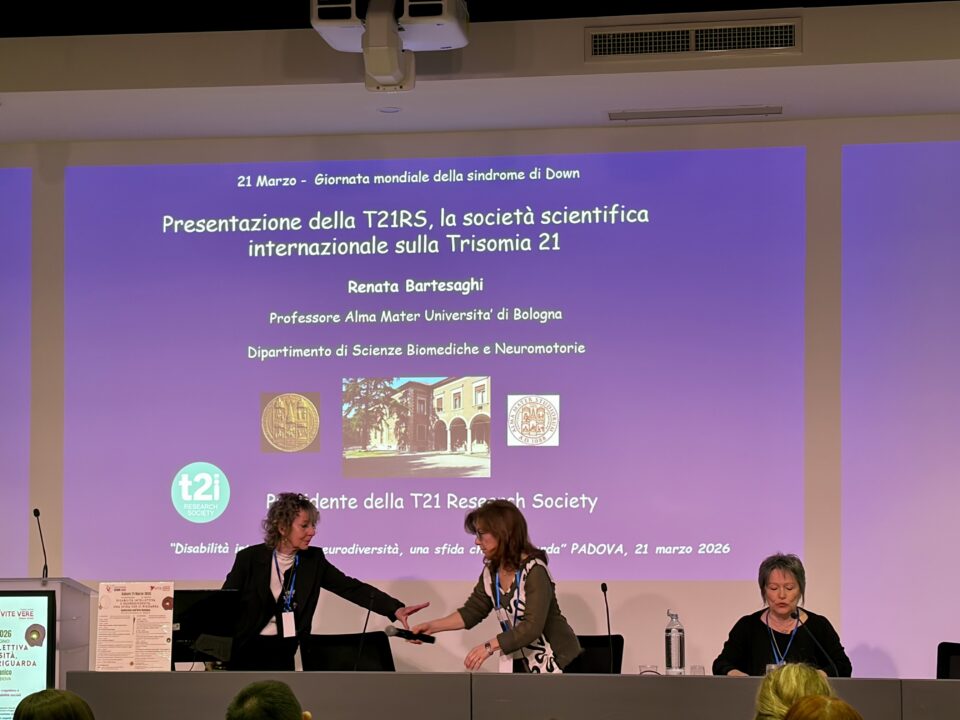
As President of T21RS, and on its behalf, I am proud to take part in the celebrations of the World Down Syndrome Day. This is an important occasion to reaffirm our commitment to the rights, dignity, and quality of life of people with Down syndrome.
Observed every year on March 21st and officially recognized by the United Nations, this day is devoted to raising awareness about inclusion, equal opportunities, and well being. The date—21/3—symbolizes the triplication of chromosome 21, the genetic characteristic that causes Down syndrome.
Down syndrome is a lifelong genetic condition, but it does not define a person’s identity. Each individual has unique abilities, aspirations, and potential. Life outcomes depend greatly on access to quality healthcare, education, inclusive policies, and social support.
Over the past decades, scientific and medical advances have significantly improved both life expectancy and quality of life. Compared to 50 years ago, individuals with Down syndrome now live longer, healthier, and more independent lives. This progress demonstrates the power of research, interdisciplinary collaboration, and sustained commitment.
Nevertheless, important challenges still remain. Together, T21RS researchers are pursuing innovative strategies to rebalance immune signaling, improve motor function, enhance cognition, and reduce the risk of Alzheimer’s disease in people with Down syndrome. The central aim of these efforts is to increase their autonomy and improve overall quality of life.
The World Down Syndrome Day is not only a moment of awareness, but a call to action and to continue investing in research in Down syndrome because research means opportunity, dignity and future.
Renata Bartesaghi
President T21RS